Edocera sp. z o.o., a subsidiary of the Warsaw Stock Exchange-listed Scope Fluidics Group, has confirmed through in vivo laboratory testing that the technology being developed under the project can detect signs of a stroke. Objective II of the project, which consisted of developing a device prototype, has therefore been achieved in line with the announced schedule.
“Achieving Objective II confirms that the technology we are developing can detect blood flow disturbances in the vessels supplying the central nervous system. This confirmation gives us a basis for creating the target system and is a source of great satisfaction for the entire team and the Scope group. We can now begin work on Objective III, which will result in the first noncommercial version of the device. We want to have it ready as early as next year, so that in the following years we can carry out market validation, followed by the certification process,” says Marcin Izydorzak, Vice President of Scope Fluidics.
The company spent approximately PLN 9 million on Objective II, compared with the initially estimated PLN 15 million. The preliminary budget estimate for Objective III is no more than PLN 13 million. Funding from Scope will be provided in tranches dependent on project progress and needs, taking into account the Group’s financial position. At the same time, the Scope Management Board assumes that Objective III will be partly financed from sources other than a capital injection from Scope.
As a reminder, in March 2026 Scope Fluidics left open the possibility of raising external equity financing directly at the level of projects originating from Scope Discovery at earlier stages of their development. In addition, in September 2026 the Polish Agency for Enterprise Development conditionally awarded Edocera co-financing in the amount of PLN 12.2 million.
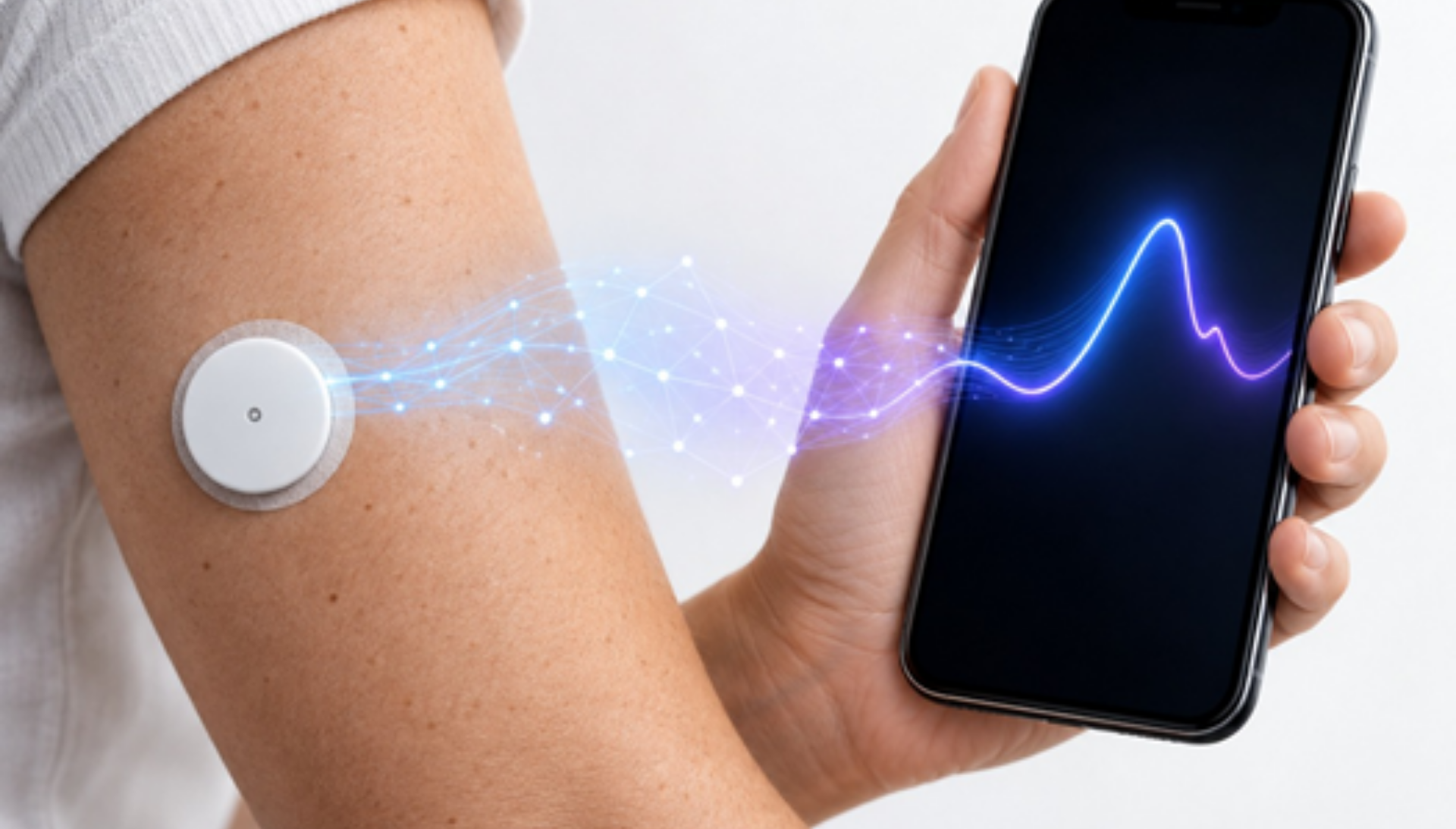
The EDOCERA project is developing a system for continuous monitoring of the risk of stroke and cardiovascular events, consisting of a wearable device, integrated software using artificial intelligence algorithms, and a dedicated app. As envisaged, the product would collect several physiological signals from the body simultaneously, thereby delivering lifesaving insights in real time to both its users and their emergency contacts.
According to the initial assumptions of the project, the end users of the EDOCERA system are to be people using the product outside outpatient settings, but the possibility of using it in hospitals is also being examined. In the course of the work, including as a result of more in-depth market research, additional revenue-generating opportunities are also being identified, including nonmedical uses of the technology.
“We see potential for the technology we have developed in both preventive medicine and remote health monitoring, as well as in other, nonmedical applications that may open up additional opportunities for its commercialization. Our market analyses allow us to identify scenarios in which the path to market could be even shorter than in the case of the target medical product. Nonetheless, the development of the EDOCERA system for its originally intended application remains our priority. We want to develop a solution that addresses real needs in monitoring the risk of cardiovascular events, and the next stages of work will allow us to better determine the clinical capabilities and commercial potential of our technology,” says Mateusz Bednarski, head of the EDOCERA project.